Peatland Restoration at Pastures Wood, Congleton
Case Study
The Project:
Peatland restoration and long-term habitat management of a degraded lowland peat site.
Location:
Pastures Wood, Congleton, Cheshire.
Objective:
To restore a drained peatland habitat through rewetting, habitat creation and long-term ecological management.
Client:
Cheshire East Council
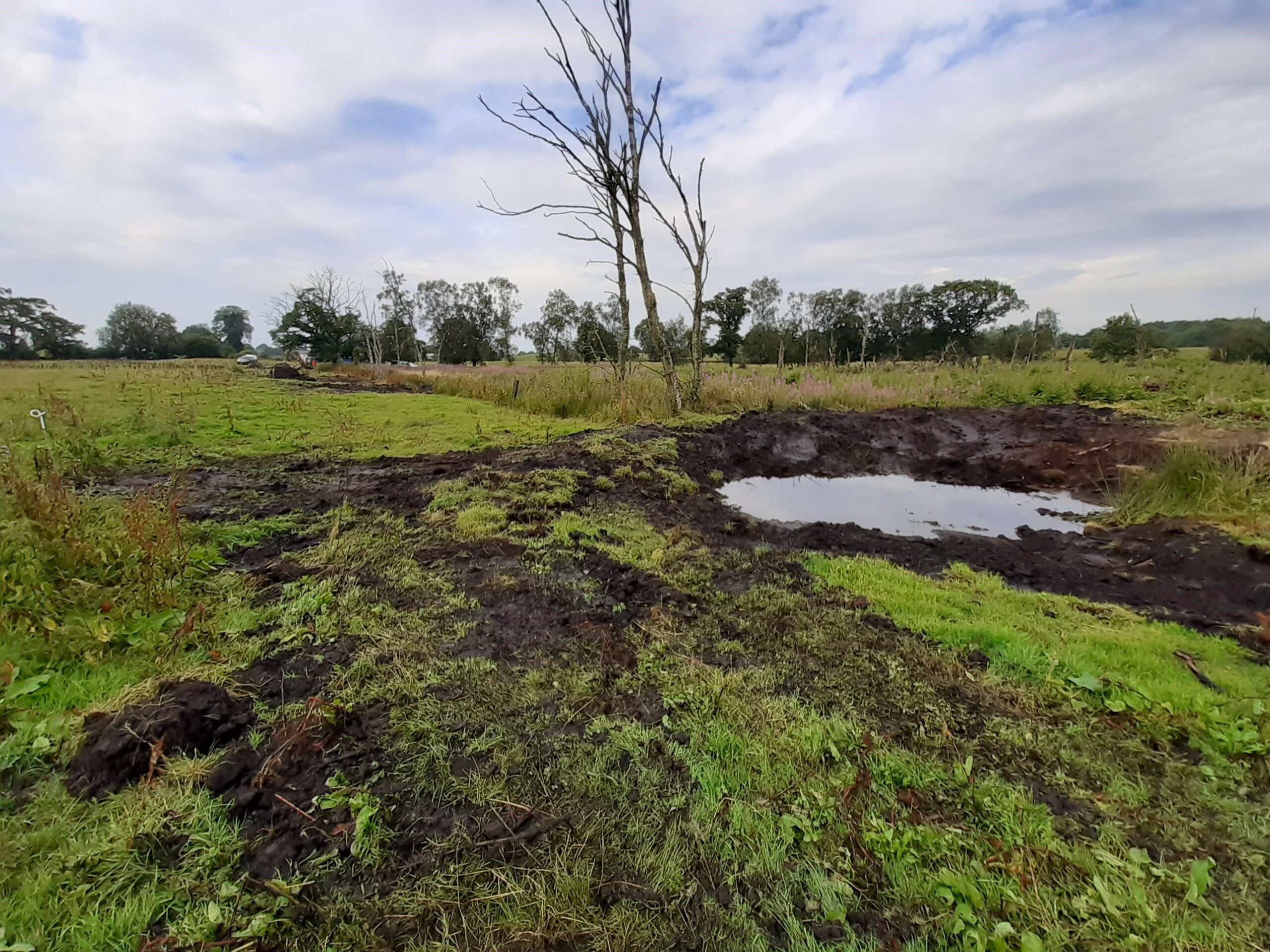
The background
Cheshire Wildlife Trust Consultancy was commissioned by Cheshire East Council to assess, design and deliver the restoration of a degraded peatland site at Pastures Wood, near Congleton.
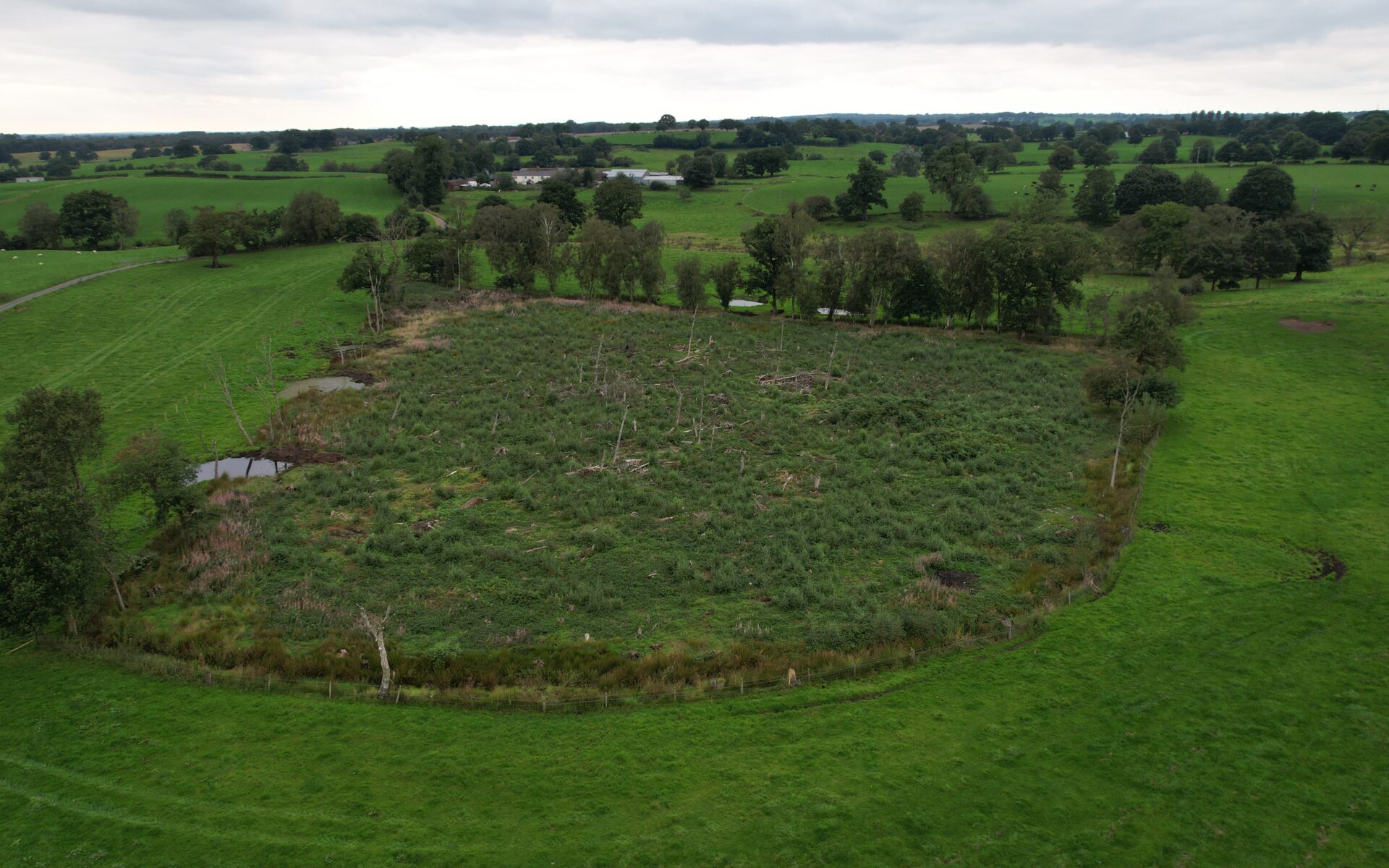
The 1.1-hectare site, formed around 12,000 years ago, had been heavily drained, managed for commercial forestry and overtaken by secondary woodland. Despite this, small areas of sphagnum moss remained, indicating that the underlying peat was still intact and capable of recovery.
The Challenge
The site had been significantly altered over time, with drainage, tree cover and grazing pressure impacting its ecological function.
The key challenge was to determine whether restoration was viable, and if so, how to re-establish the natural hydrology without negatively affecting surrounding farmland.
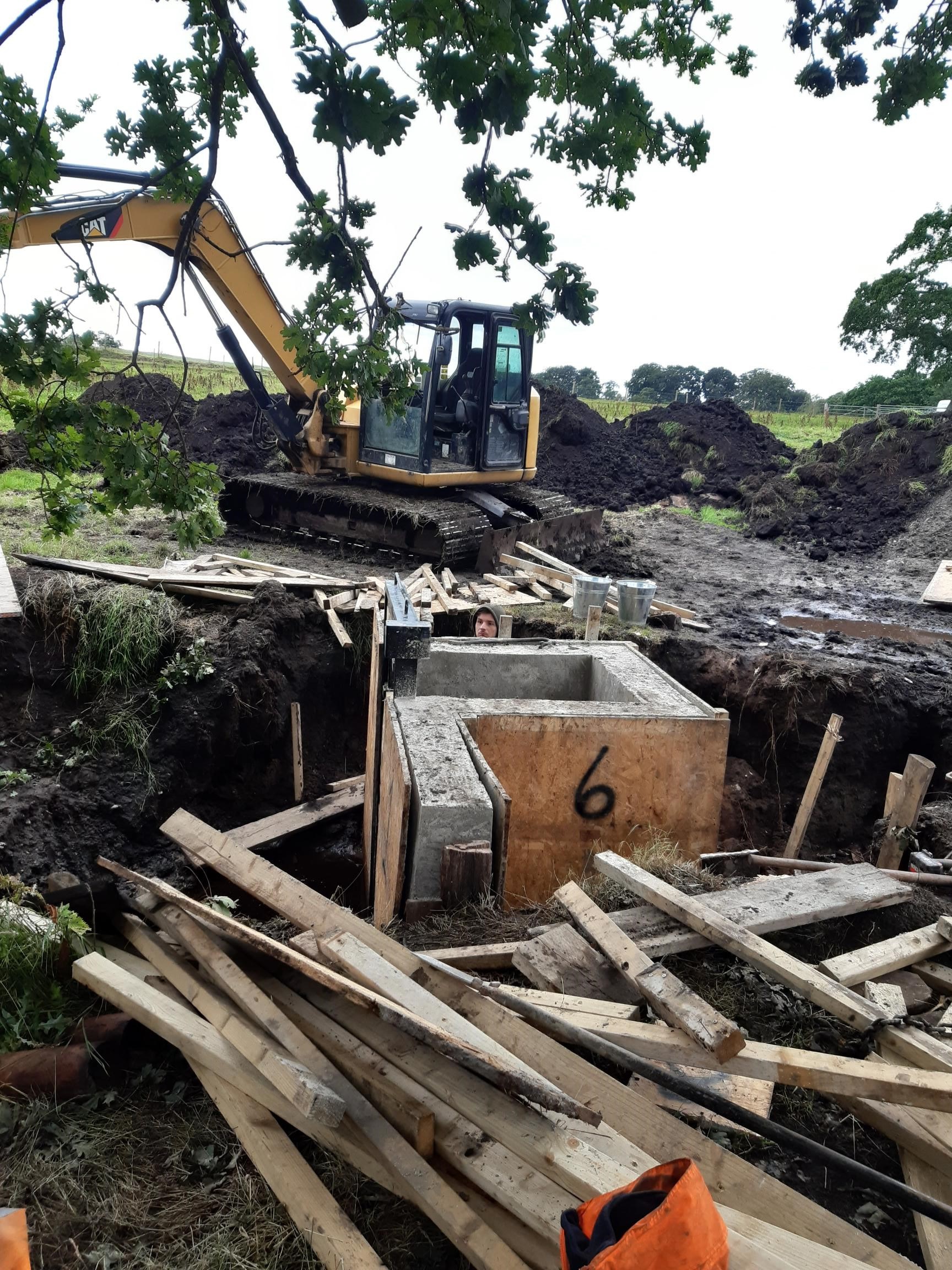
The Approach
Cheshire Wildlife Trust carried out a detailed feasibility assessment to inform the restoration strategy.
The work included:
- Topographical drone survey of the site
- Laser-level ground-truthing to confirm site levels
- Hydrological modelling to assess rewetting impacts
- Design of a tailored peatland restoration plan
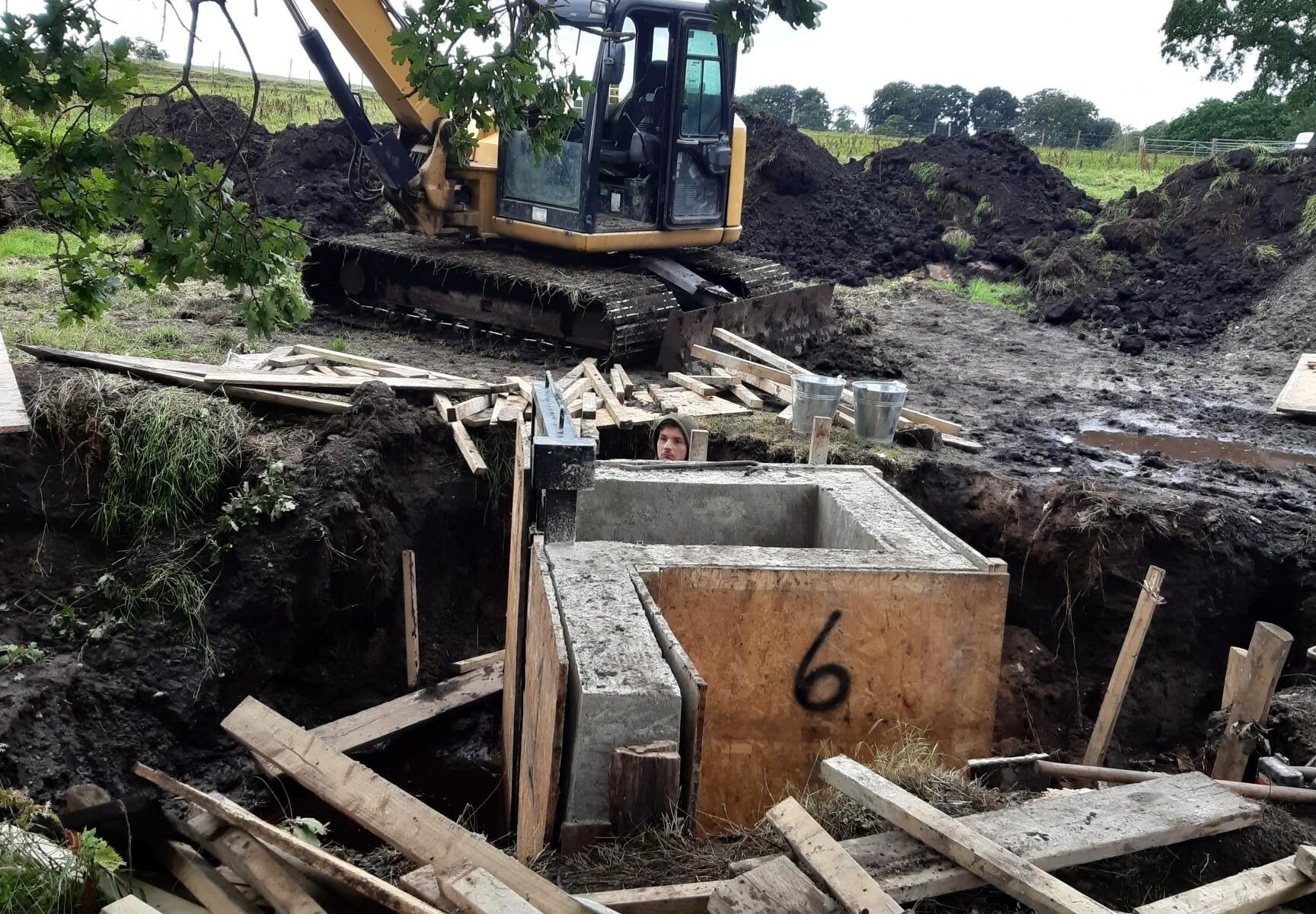
The restoration works, delivered in summer 2021, included:
- Scrub and tree clearance
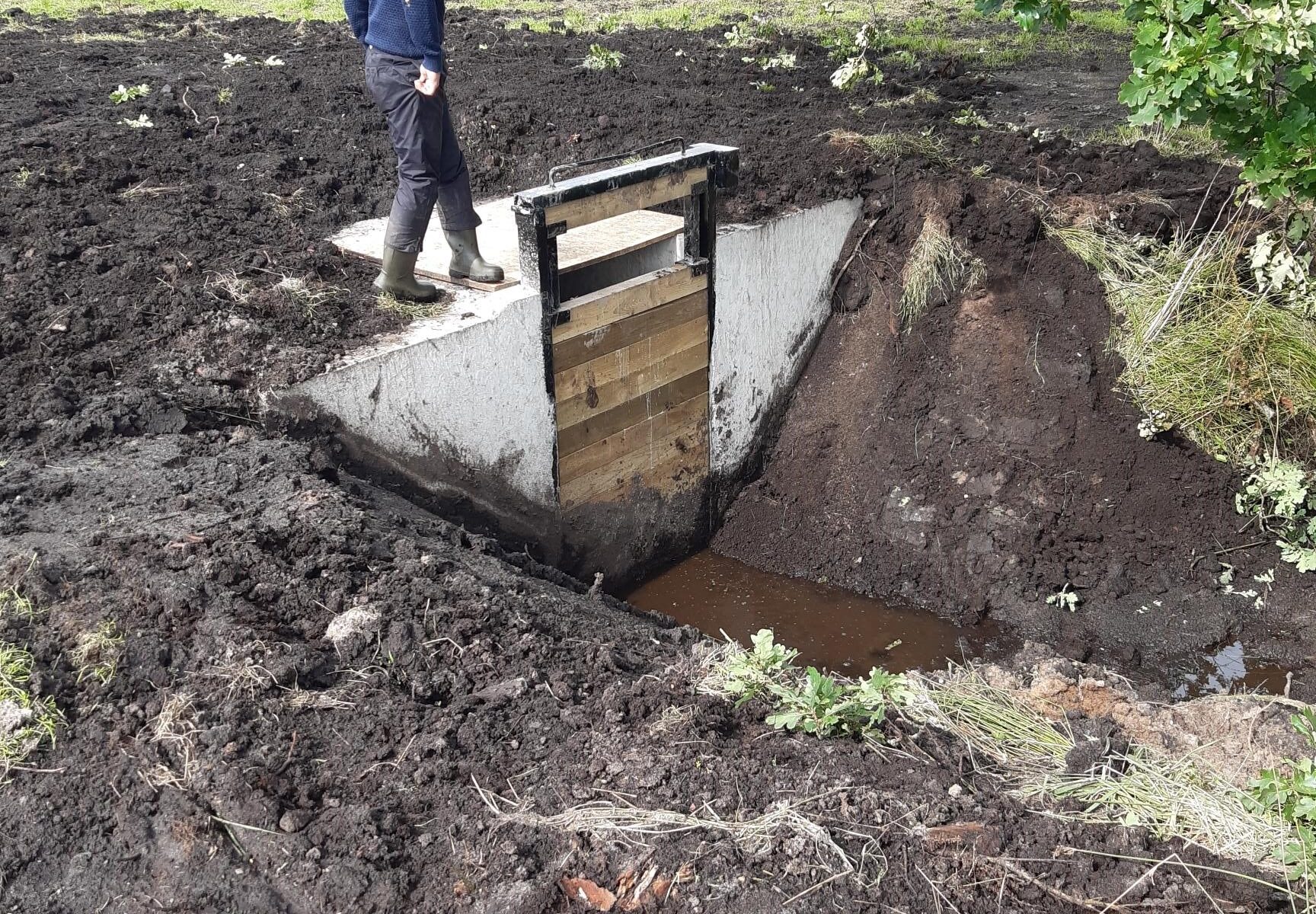
- Installation of a sluice to raise the water table
- Peat bunding to retain water
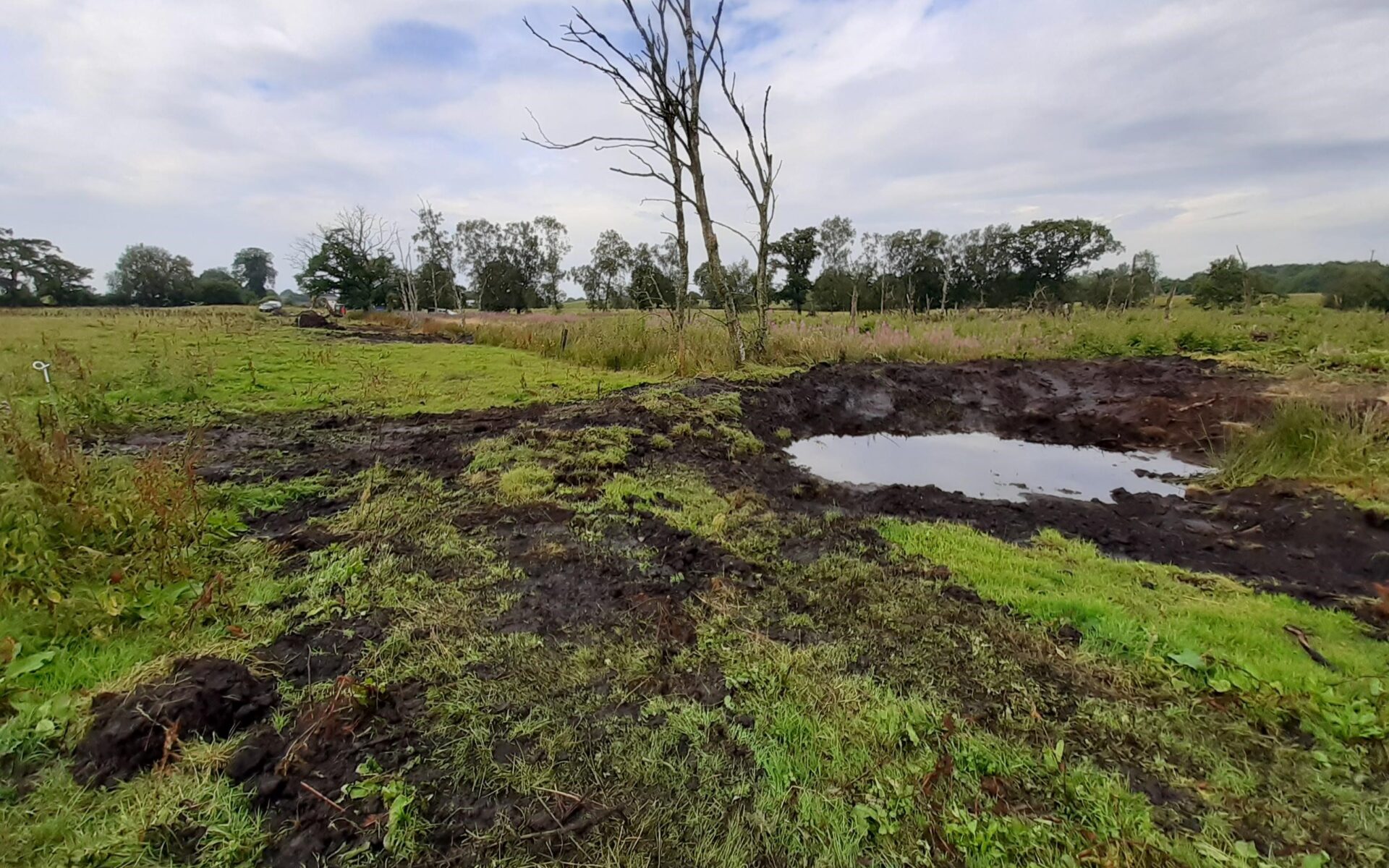
- Creation of shallow scrapes and pools
- Installation of stock fencing to exclude grazing livestock
This approach allowed the site’s natural hydrology to be restored while protecting surrounding land.
The Outcome
The restoration successfully re-established wet conditions across the site, creating the right environment for peatland habitats to recover.
The presence of remnant sphagnum moss provided a strong foundation for regeneration, supporting the return of peat-forming vegetation and improving the site’s ecological function.
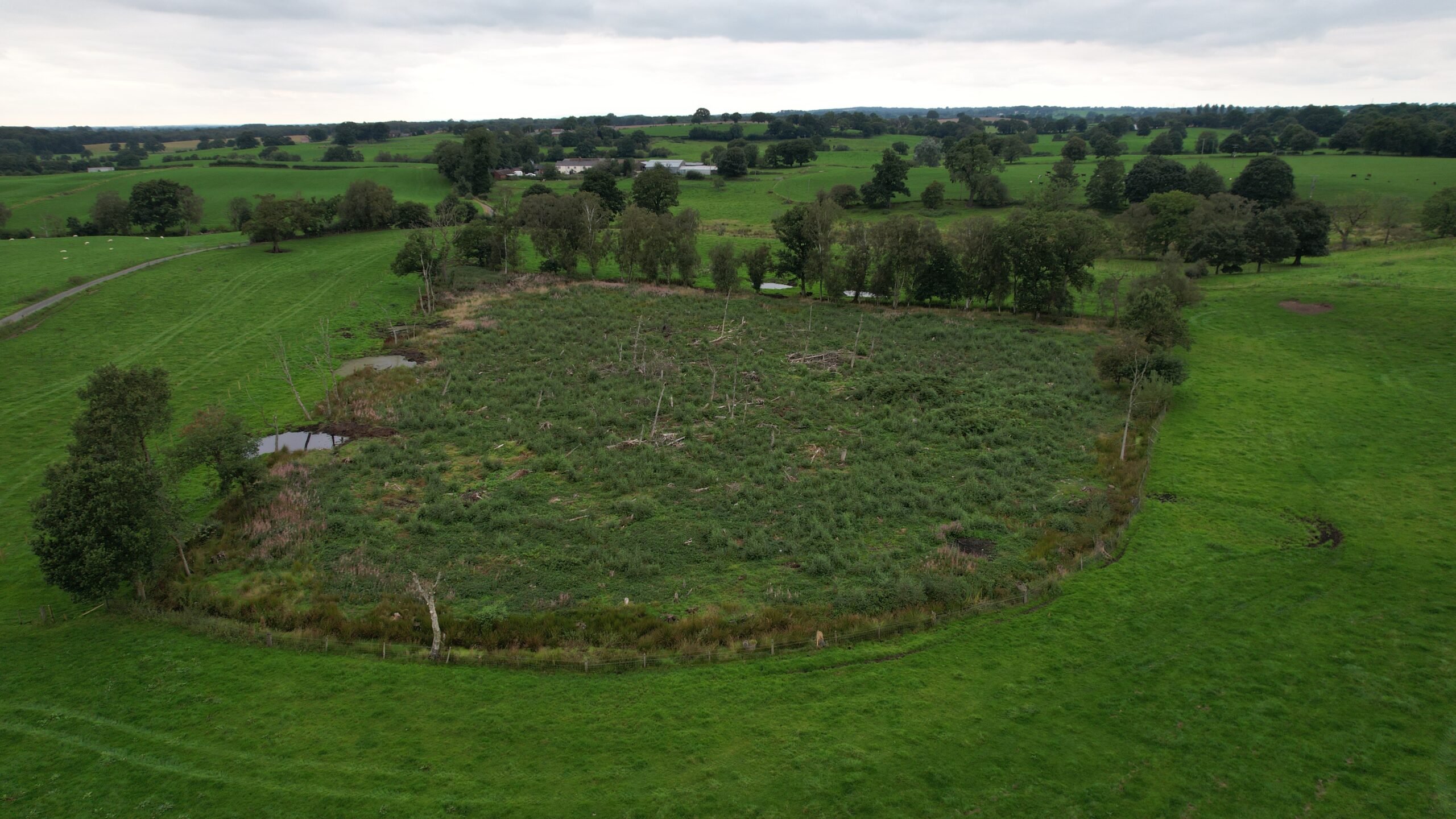
Project Impact
Since delivery, Cheshire Wildlife Trust has provided five years of ongoing support, including monthly monitoring, hands-on habitat management and annual reporting.
This continuity from feasibility through to long-term stewardship has ensured the project remains on track and continues to deliver measurable environmental benefits.
The site now stands as a practical example of how degraded peatland can be restored through careful design, technical expertise and sustained management.
FAQs
What is peatland restoration?
Peatland restoration involves rewetting and managing degraded peat soils to restore their natural hydrology, support biodiversity and improve carbon storage.
Why is peatland restoration important?
Healthy peatlands store carbon, support specialist habitats and help regulate water, making them vital for climate resilience and biodiversity.
How do you restore a drained peatland site?
Restoration typically includes raising the water table, blocking drains, removing inappropriate vegetation and creating suitable conditions for peat-forming plants to return.
Can peatland restoration be carried out on small sites?
Yes. Even relatively small sites, like Pastures Wood, can deliver meaningful environmental benefits when restored and managed correctly.
Do you provide peatland restoration and habitat management services in Cheshire?
Yes. Cheshire Wildlife Trust Consultancy delivers peatland restoration, habitat creation and long-term ecological management across Cheshire and the wider North West.
Planning a peatland restoration or habitat creation project?
We provide ecological assessment, habitat restoration and long-term land management services across Cheshire and the wider North West.