
Biodiversity Audit. Bentley Motors Campus, Crewe
Case Study
The Project:
Biodiversity audit and ecological assessment of a large-scale manufacturing site.
Location:
Bentley Motors Campus, Crewe, Cheshire.
Objective:
To deliver a detailed, evidence-led biodiversity assessment to meet VW Group requirements and identify realistic opportunities for ecological enhancement.
Client:
Bentley Motors
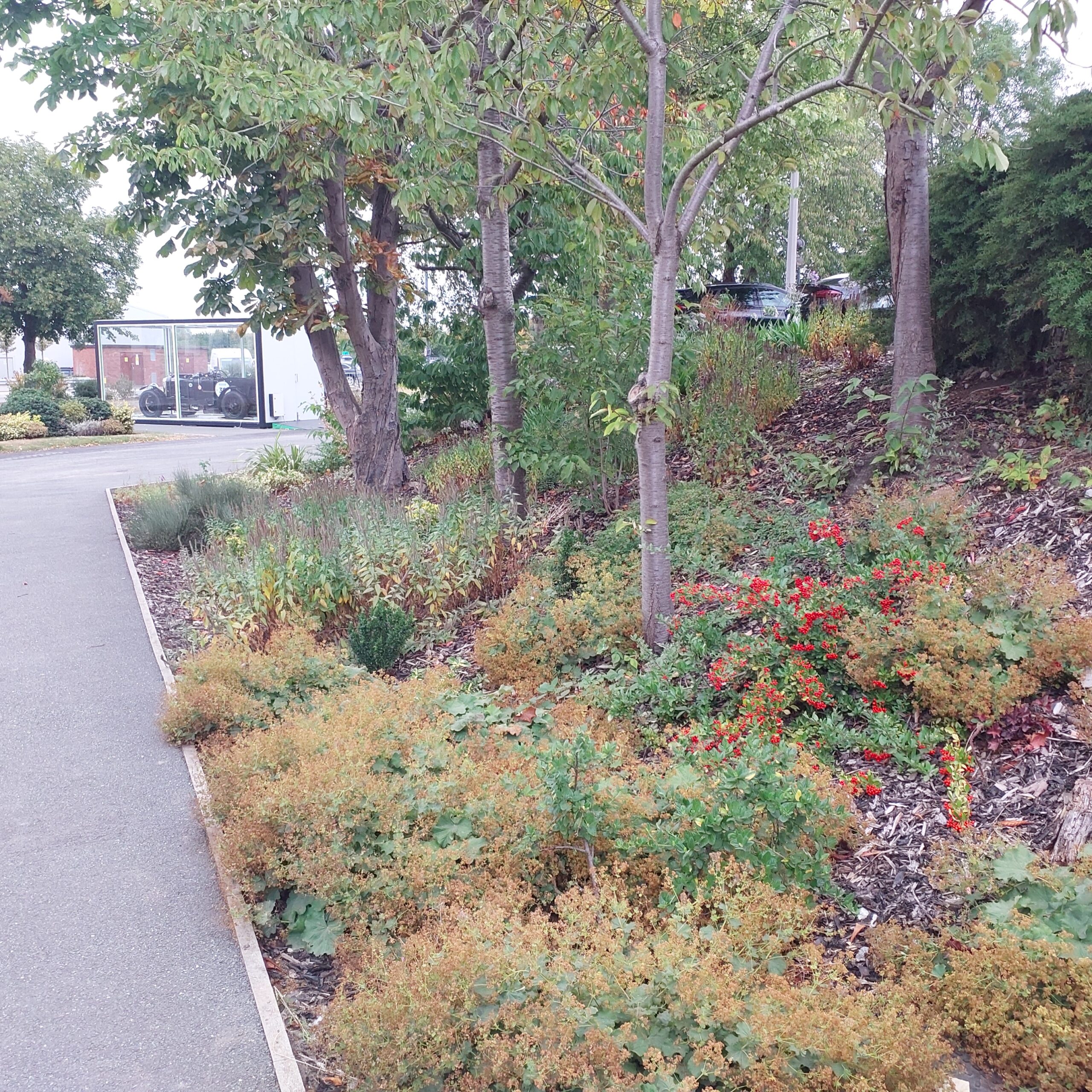
The background
Cheshire Wildlife Trust Consultancy delivered a comprehensive biodiversity audit across the 54-hectare Bentley Motors manufacturing campus in Crewe, providing a detailed ecological baseline to support the VW Group’s Site Biodiversity Assessment Tool.
The project required a fully quantified assessment of habitats and species across a complex operational site, moving beyond high-level overview to deliver precise, evidence-led data.
The Challenge
The scale and nature of the site presented a clear challenge. With over 80% of the campus consisting of buildings and hardstanding, the remaining green space needed to be carefully assessed to understand its true ecological value.
The requirement was not just to document biodiversity, but to provide a robust, data-driven audit that could inform realistic and deliverable improvements.
The Approach
Field surveys were carried out over six days between June and September 2025, covering the entire site in detail.
The audit included:
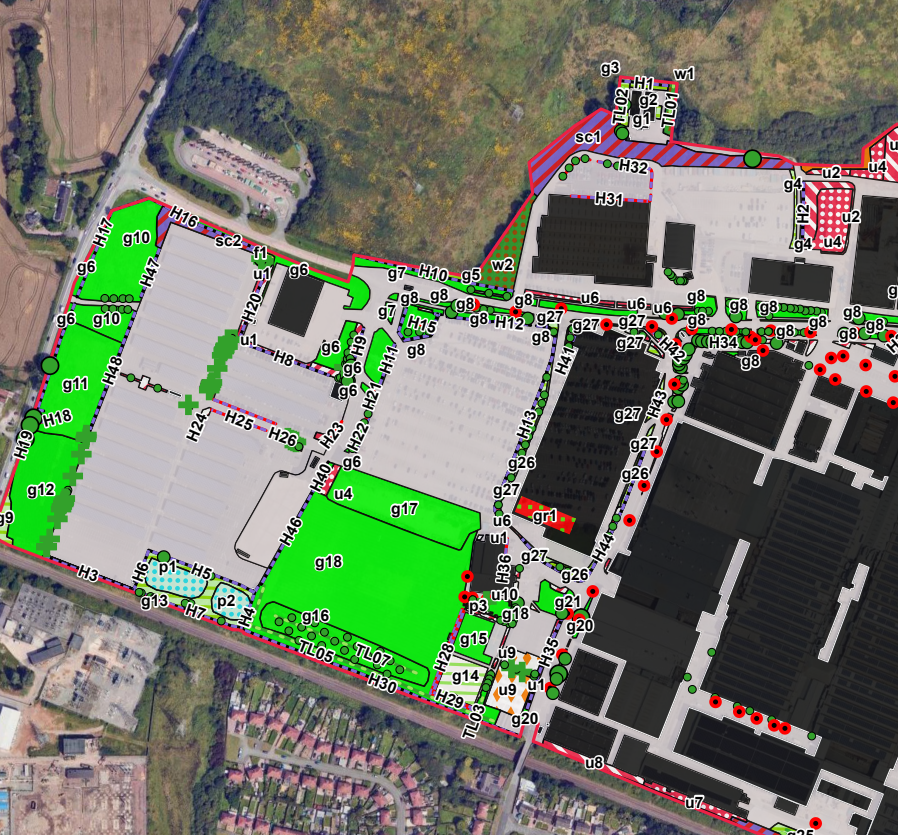
- Mapping of all habitats across the campus
- Recording 536 individual trees across 60 species
- Surveying over 3.7km of hedgerows
- Assessment of green infrastructure, including green roofs, green walls and nesting features
- Identification of invasive species and site constraints
Soil data was also incorporated into the assessment, ensuring that all recommendations were grounded in what is practically achievable on site, rather than theoretical improvements.
The Outcome
The audit provided a clear and quantified understanding of biodiversity across the site.
While the majority of the campus is built environment, the remaining 10 hectares contains meaningful ecological value. With targeted management changes, including adjusted grassland cutting regimes and improved pond management, this value can be significantly enhanced.
Eight key species and groups were identified, including swifts, barn owls, hedgehogs and bats, with specific, site-appropriate recommendations developed for each.
Project Impact
Beyond the core audit, the project benefited from strong local ecological knowledge. Additional recommendations were provided on:
- Gull management
- Bird strike mitigation
- Wildlife passage design
- Opportunities to introduce rare Cheshire plant species
These insights reflect a practical understanding of the local landscape and operational environment, ensuring recommendations are both relevant and deliverable.
The project was delivered by a CIEEM-accredited ecologist with specialist botanical expertise, providing confidence in the quality and accuracy of the work.
As part of Cheshire Wildlife Trust, all income generated through the project contributes directly to wider conservation and nature recovery across the region.
Biodiversity audit FAQs
What is a biodiversity audit for a commercial site?
A biodiversity audit is a detailed ecological assessment that identifies habitats, species and ecological features across a site, providing a clear baseline and recommendations for improvement.
Why do businesses need a biodiversity audit?
Businesses may require a biodiversity audit to meet corporate reporting standards, planning requirements or sustainability targets, as well as to understand and improve the ecological value of their land.
Can biodiversity be improved on highly developed or industrial sites?
Yes. Even sites with a high proportion of buildings and hardstanding can support meaningful biodiversity through targeted management, habitat creation and improvements to existing green spaces.
What does an ecological survey involve on a large site?
Ecological surveys typically include habitat mapping, species identification, tree and hedgerow assessments, and evaluation of existing green infrastructure, supported by detailed reporting and practical recommendations.
Do you provide biodiversity audits and ecological assessments in Cheshire?
Yes. Cheshire Wildlife Trust Consultancy provides biodiversity audits, ecological surveys and environmental advice for commercial sites, estates and developments across Cheshire and the wider North West.
Need a biodiversity audit or ecological assessment?
We provide ecological surveys, biodiversity audits and practical recommendations for commercial sites, estates and developments across Cheshire and the wider North West.